Fix Your Seattle Chimney Today
For those seeking quick and reliable chimney repair in Seattle, you can't ignore warning signs like deteriorating masonry, moisture damage, or poor smoke ventilation. Immediate attention guards against safety risks and major repair expenses typical of Seattle's wet climate. Rely on licensed experts for detailed assessment, click here leak detection, brick repair, and water resistance treatment—all following industry standards and safety standards. Maintain vigilance; periodic assessments and prompt repairs protect your property's performance and construction. Explore essential advice and expert guidance to maintain your chimney now.
Main Insights
Tell-Tale Signs of Chimney Damage
Although your chimney appears intact from the outside, certain indicators might suggest underlying problems that compromise safety and efficiency. Pay close attention to smoke entering your home, as this often points to chimney flue obstruction or deterioration. Heavy soot buildup along the flue walls or at the fireplace opening also signals inadequate draft and safety concerns. You could observe a noticeable, consistent smell—this typically indicates dangerous residue is collecting, hampering proper airflow. Crumbling mortar, loose bricks, or visible cracks suggest structural deterioration that may rapidly deteriorate without attention. By watching for these warning signs, you'll maintain your chimney's safe function and minimize potential dangers. Arrange for a professional assessment at the first sign of trouble.
Common Chimney Issues in Seattle Homes
The wet climate of Seattle commonly speeds up chimney deterioration and creates unique maintenance issues for homeowners. Moisture infiltration leads to brick spalling, mortar deterioration, and oxidation of metal components. When regular chimney maintenance is overlooked, creosote and soot build up rapidly due to the local wet weather and cool temperatures, increasing the threat of obstruction and fire dangers. You may notice efflorescence—white staining—on your chimney, indicating water infiltration. Broken or absent chimney caps permit water and waste to penetrate, further damaging structural integrity.
A thorough flue inspection is essential because continuous moisture encourages mold and compromises the flue liner, making it unsafe for venting exhaust and gases. Addressing these common issues with regular chimney cleaning and thorough flue inspection ensures your Seattle home's chimney secure and well-functioning.
Understanding the Urgency of Chimney Maintenance
Resolving chimney problems in a timely manner allows you to avoid costly structural damage that may affect your home's integrity. You'll furthermore reduce fire risk by clearing hazards including creosote buildup or masonry cracks. Immediate repairs guarantee your chimney performs efficiently, enhancing both indoor comfort and energy consumption.
Protecting Against Structural Problems
When water infiltrates into your chimney structure, it accelerates brick deterioration, compromises joint integrity, and threatens the chimney's stability. If ignored, minor fissures grow, permitting additional water seepage and causing major repair expenses or even structural failure. Periodic cleaning allows you to identify these issues early, eliminating debris that can trap moisture against internal surfaces. Examining and servicing your flue lining is crucial, as damaged linings expose masonry to destructive elements and additional moisture penetration. By acting quickly, you stop freeze-thaw cycles from deteriorating masonry and mortar to crumble. Addressing minor damage now prevents complete restoration later. Prioritize professional assessments to guarantee your chimney's longevity, safety, and performance for years. Prompt attention preserves your home's structure and peace of mind.
Minimizing Fire Hazards
When your chimney shows structural damage, crumbling mortar, or loose bricks, it could quickly develop into a serious fire hazard. Compromised areas and weak points allow dangerous heat and embers to escape into nearby flammable materials, raising the danger of a house fire. To ensure optimal chimney safety, you require prompt repairs to seal these vulnerabilities and reestablish the chimney's integrity. Addressing damage immediately makes certain that dangerous creosote doesn't accumulate in unseen gaps, additionally lowering the risk of fire. In addition, compromised chimney liners can allow harmful gases to seep into your home, increasing safety concerns. Don't postpone for minor problems to escalate; prompt, expert repair is essential for reliable fire protection and enduring safety in your Seattle home.
Boosting Home Efficiency
While chimney damage usually looks minor in the beginning, even small cracks or gaps can considerably impact your home's energy efficiency. When your chimney becomes compromised, climate-controlled air seeps away, forcing your HVAC equipment to operate longer. This not only increases your energy costs but furthermore puts excessive strain on your climate control unit. Regular chimney repair, combined with periodic chimney cleaning, makes certain your fireplace functions at peak effectiveness and avoids costly energy leakage.
When planning a new fireplace installation, it's important to tackle present chimney issues. Damaged masonry or faulty flue liners may affect the performance of modern fireplaces, limiting their energy efficiency. Through addressing your chimney without delay, you can maintain a cozy indoor environment, realize energy savings, and maintain your home's systems operate safely and efficiently.
A Guide to Chimney Repair Procedures
We'll begin with a comprehensive inspection and damage assessment to identify any structural or safety concerns in your chimney. After identifying the problems, you can select the most effective repair methods, from brick repair to chimney liner installation. Each step prioritizes both the security and stability of your home.
Inspection and Damage Assessment
A comprehensive inspection and damage assessment is essential for a proper and reliable chimney repair process. You'll need a qualified professional to inspect your chimney inside and out, looking for deterioration, cracks, and loose bricks. Particular attention is paid to chimney soot buildup, which can mask deeper issues and increase fire risks. The technician will check investigating flue blockages, which could prevent proper ventilation of hazardous emissions and impact your home's air quality. Using specialized equipment and cameras, the technician will examine difficult-to-access areas, searching for signs of moisture problems, corrosion, or pest infestations. Through detailed documentation of problem areas, you'll gain a clear understanding of what requires attention, ensuring all repairs fix underlying issues—not just surface symptoms.
Essential Repair Techniques Overview
After the inspection identifies specific issues, the restoration work can begin with focused fixes aimed to return safe operation. Technicians typically start with thorough soot clearance to remove dangerous deposits and enhance airflow. If your chimney liner shows damage, they'll recommend replacement or relining options to prevent hazardous emissions from infiltrating living spaces and to shield masonry from heat damage. Compromised brickwork need tuckpointing or brick replacement to ensure the chimney's structural integrity. Waterproofing treatments may be applied to guard against future moisture damage. For major problems, partial or full chimney rebuilds could be necessary. All repair procedures works to address the root causes, ensuring your chimney remains safe, efficient, and compliant with Seattle's building codes.
Understanding Chimney Leaks and Remedies
While chimney leaks frequently go unnoticed until they cause visible damage, prompt identification is vital for preventing major structural issues and health hazards. Look for telltale indicators including water stains on ceilings or walls near your chimney, damp or musty scents, and rusted firebox elements. Professional chimney leak detection involves a thorough examination of the crown, flashing, and cap to identify moisture entry points. Professionals utilize specific tools to assess unseen water damage and structural weaknesses. Once detected, proven leak repair methods—like applying new flashing seals, installing new chimney caps, or adding waterproof coatings—can successfully fix the issue. By addressing leaks immediately, you'll shield your home from mold development, weakened masonry, and continued water issues, guaranteeing enduring chimney durability and safety.
Brick Repair and Masonry Services
If you notice damaged or deteriorating masonry on your chimney, quick professional attention is necessary to ensure structural soundness and prevent hazardous conditions. Compromised masonry elements allow moisture to infiltrate, causing accelerated damage and risk of breakdown. You should seek a professional expert to assess the extent of damage, making sure the appropriate restoration procedures are used. During brick replacement, professionals methodically extract deteriorated units, match the new units for your chimney, and use high-quality mortar for a perfect restoration. This comprehensive approach not only enhances aesthetic quality but also prevents further structural issues. Never ignore these problems—tackling repairs promptly will prolong chimney durability and maintain household safety from potential dangers.
Specialized Chimney Cap and Crown Maintenance
Functioning as your chimney's essential protection against water intrusion and animal entry, their condition directly impacts your home's safety and the chimney's lifespan. When the cap becomes damaged, rusted, or absent, water may leak down the flue, resulting in interior deterioration and likely mold issues. A secure, properly fitted chimney cap also stops birds, rodents, and debris from blocking your venting system. The chimney crown seals the top of your masonry, protecting bricks and mortar from freeze-thaw cycles and erosion. Breaks or crumbling in the crown allow moisture to seep in, compromising structural integrity. Regular inspections and timely repairs of both the chimney cap and chimney crown help maintain you preserve a safe, efficient, and long-lasting chimney system.
Finding the Ideal Chimney Maintenance Professional
Choosing a professional chimney repair contractor calls for thorough review of certifications, safety practices, and technical expertise. You need to verify that the business maintains proper permits, coverage, and accreditations from established industry associations. Ask about their expertise with both chimney cleaning and complex venting solutions to guarantee they can address your system's specific needs. Professionals must adhere to current safety regulations, use protective equipment, and implement strict guidelines to avoid incidents or fire dangers. Evaluate their history by investigating recommendations and analyzing customer reviews emphasizing reliability and professionalism. It's also important to ensure that they utilize industry-approved supplies and techniques for all work. By focusing on these aspects, you'll secure your chimney repair work is executed securely, productively, and to the premium technical specifications.
Important Chimney Care and Maintenance Tips
Make sure to get routine chimney inspections to detect structural issues and safety concerns early on. Stop creosote accumulation by following recommended cleaning schedules and burning only seasoned wood. It's also important to apply proper waterproofing and sealing to protect your chimney from Seattle's frequent rain.
Scheduled Chimney Evaluations
While many property owners tend to ignore it, booking periodic chimney inspections is vital for maintaining a reliable and properly functioning fireplace system. Your chimney should be examined once every year by a certified professional who can detect structural problems, clogs, or wear patterns. Inspections play a critical role in guaranteeing safe operation by uncovering hidden problems before they escalate. A comprehensive inspection will further evaluate if your chimney needs cleaning to remove debris or obstructions that could limit proper air circulation. Certified technicians utilize specialized tools and cameras to assess the flue, liner, and masonry, providing a detailed evaluation. By maintaining routine checkups, you'll protect your home from potential hazards, extend the lifespan of your chimney, and ensure your fireplace functions efficiently.
Preventing Creosote Buildup
Some crucial preventative maintenance actions can substantially reduce the risk of creosote buildup within your chimney. Only use well-dried hardwood, as it produces less smoke and decreases residue. Verify that your fireplace damper is opened entirely during operation to maximize airflow, which promotes efficient combustion and minimizes creosote formation. Schedule professional chimney cleanings at least once a year—creosote removal by a certified technician is critical to prevent dangerous accumulations. Observe your firebox and flue periodically for early signs of buildup, such as dark, tar-like deposits. Handle these swiftly to avoid a serious fire hazard. Don't overload the firebox or burn unapproved materials, as both can increase creosote buildup. Following these guidelines will help keep your chimney more efficient and safer.
Sealing and Waterproofing Services
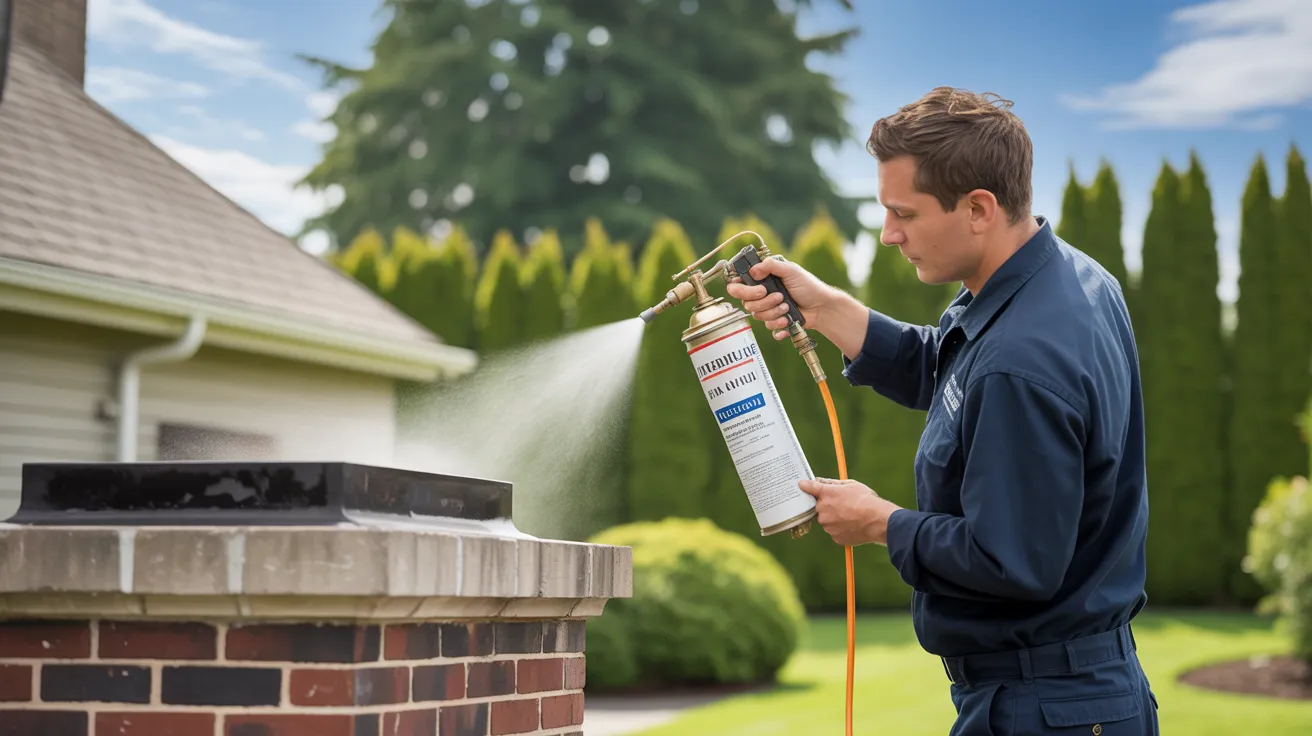
How does water infiltration seriously impact your chimney's structural integrity? When rain infiltration seeps into your masonry, it can cause structural decay, brick damage, and metal corrosion. Moisture erodes mortar joints and creates an ideal environment for freeze-thaw damage, which compromises the entire structure. To protect against these damaging effects, ensure adequate waterproofing and sealing measures.
Start with a comprehensive examination for openings or fissures that could allow water infiltration. Next, conduct a high-quality sealant coating specially formulated for chimneys—don't use generic water repellents, as they might retain moisture. Ensure the sealant is moisture-permeable, permitting the chimney to "breathe" while stopping rain seepage. Regularly apply sealant every few years to maintain maximum protection. This preventative step lengthens your chimney's life and keeps your home secure.
Planning Your Chimney Inspection and Service
To prevent escalating damage and safety hazards, schedule your chimney inspection and repair with a certified professional. A professional technician will conduct a comprehensive assessment, spotting possible dangers such as venting problems or pressing maintenance needs. Never postpone these crucial services—residue deposits or clogs can create dangerous fire conditions or result in hazardous carbon monoxide seepage into your living space.
Book your annual chimney maintenance, or after major storms, to ensure your chimney's safety and efficient operation. During the inspection, specialists employ specialized equipment to check the entire chimney system, providing detailed advice for any needed repairs or cleaning. By taking preventive measures, you'll avoid expensive damage, maintain optimal air quality, and ensure your heating system functions properly all season long.
Common Questions
What Are the Average Costs for Seattle Chimney Repairs?
As you consider chimney repair in Seattle, you should expect to pay between $300 for basic maintenance to $3,000 or more for extensive repairs. You should schedule a chimney inspection first—experts will identify hidden issues and ensure proper function. Chimney cleaning typically costs $150–$350 and could uncover maintenance requirements. Be sure to employ certified technicians; they'll utilize correct tools and approaches to ensure household protection and maintain optimal fireplace performance.
Are Permits Required for Seattle Chimney Repairs?
Wondering if you need permits for smaller projects! In Seattle, it's required to have a permit for nearly all chimney repairs, particularly those that include structural modifications or masonry work. Even routine chimney cleaning and chimney inspection need to meet compliance with local codes to ensure safety. Always check with Seattle's Department of Construction and Inspections, because skipping permits could lead to major issues, unsuccessful assessments, or dangerous situations for your home and family.
Can You Use Your Fireplace During Ongoing Repairs?
It's important not to use your fireplace during ongoing repairs. For ideal fireplace safety, wait for all repair work is completed and professionally verified. Operating your fireplace while work is ongoing can lead to potential fire hazards, toxic fumes, or structural problems. Work closely with your contractor about repair scheduling and ensure when it's safe to start using. Putting safety first ensures your fireplace to work efficiently and securely and ensures the safety of your home and family.
Does Homeowners Insurance Cover Chimney Repair?
View insurance coverage as a safety net—it shields you from unforeseen disasters, but not regular deterioration. Your home insurance policy may cover chimney repair if the damage stems from a protected incident, such as storm damage or fire. You won't be covered for issues from poor upkeep or time-related deterioration. To begin the claim process, carefully record all damage and contact your insurer promptly. Always prioritize safety by arranging for a certified professional evaluate your chimney's condition.
What's the Expected Timeline for a Standard Chimney Repair?
A normal chimney repair typically spans between one and three days, according to the extent of damage found during your chimney inspection. If the masonry restoration needed is minimal, you'll see faster results. Major restoration projects, like rebuilding sections, may take longer. You should emphasize safety by arranging a professional inspection beforehand, as this confirms all structural and ventilation issues are properly evaluated before proceeding with repairs.
Wrapping Up
Stop waiting until your living room looks like something out of Seattle's own version of "Old Faithful"—with debris erupting from your overlooked chimney. The indicators are clear, you know the risks, so pick up your phone not a mop. Put first safety and efficiency by arranging a professional inspection now. With expert hands and thorough inspection, you'll preserve your home dry, your air clean, and prevent your chimney from becoming a safety hazard.